“not to China” search results (9000)

The Development of African Coffee in China
Coffee originated in Africa and little is known about it. In fact, Africa Ethiopia is the hometown of coffee, producing the best Arabian coffee in the world. Soil, climatic conditions and an altitude of more than 2000 meters above sea level have enabled many African countries to create an ideal environment for the growth of coffee.
2014-09-03 Coffee knowledge African coffee Chinese coffee market
Starbucks embarks on the road of "espresso" in China
Driven by caffeine, Starbucks coffee (Starbucks) has seen explosive growth in Asia. Starbucks plans to expand its 500 stores in China to at least 1500 stores in the next three years, according to a company announcement. The report predicts that by 2014, the company's business in China will become the second largest market outside the United States.
2014-04-27 Buck China go espresso road caffeine drive buck coffee
Chinese people fall in love with coffee foreign coffee chains are growing rapidly in China
The picture of a Starbucks store in China comes from a report by foreign media on December 30 that many foreign brands and business models from Best Buy to B & Q have encountered a Waterloo in China. However, the Western retail concept of foreign coffee shops, which was perhaps the least likely to succeed, has flourished in China. According to a report on the Financial Times website on December 29,
2015-01-13 Chinese fall in love coffee foreign chain stores in China rapid growth Buck medium
Chinese Coffee African Coffee Slow Moving Journey to China
Coffee originated in Africa and is poorly understood. In fact, Africa Ethiopia is home to coffee and produces the best Arabica coffee in the world. Soil, climatic conditions and altitudes above 2000 meters make many African countries ideal for coffee growth. Africa currently produces about 13% of global coffee production, and coffee revenue is part of African countries.
2014-12-24 China Coffee Africa Slow Middle Front Traveling Journey Origin
China may become the world's largest coffee market in the next 10 years.
[global Network Comprehensive report] according to Yonhap news agency on June 1, China, with a developed tea culture, is rapidly becoming a world coffee market.
2015-06-02 Korean media China in the next 10 years will become the world's largest coffee market.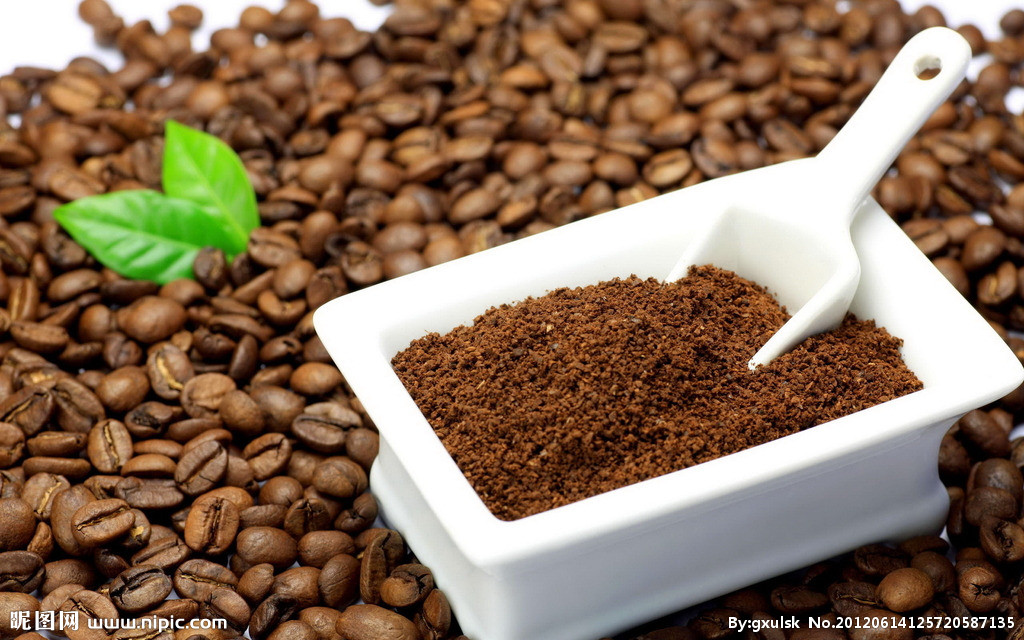
The slow way of African Coffee entering China
Coffee originated in Africa and little is known about it. In fact, Africa Ethiopia is the hometown of coffee, producing the best Arabian coffee in the world. Soil, climatic conditions and an altitude of more than 2000 meters above sea level have enabled many African countries to create an ideal environment for the growth of coffee. At present, coffee production in Africa accounts for about 13% of the world's total output, and coffee income is accounted for by some African countries.
2015-06-21 Africa coffee marching China slow journey
What is bone china? The benefits of bone china coffee cups
Bone china introduction: bone china originally called bone china, people feel indecent to gray word, renamed bone china. The so-called bone china, that is, bone powder plus quartz mixed porcelain clay, light texture, was milky white. Porcelain will be placed in the light, light can be faint. Bone china in the production process to add animal bone powder (ash), internationally recognized bone powder content of more than 40% of the said high-quality bone china (FINE BONE CHI
2014-08-22 Coffee knowledge bone china cup coffee encyclopedia
Coffee Journey to Africa Coffee's slow Journey to China
Coffee originated in Africa and little is known about it. In fact, Africa Ethiopia is the hometown of coffee, producing the best Arabian coffee in the world. Soil, climatic conditions and an altitude of more than 2000 meters above sea level have enabled many African countries to create an ideal environment for the growth of coffee. At present, coffee production in Africa accounts for about 13% of the world's total output, and coffee income is accounted for by some African countries.
2015-05-20 Coffee Tour Africa slow Middle Front Travel China
Development of Coffee Culture in China
In the process of globalization, Western culture has also spread in China. Take coffee culture as an example. In the earliest days, drinking coffee was a western culture, but now it is already a global culture, but each region still has its own unique characteristics. Take espresso, for example, it has established its own brand and formed its own unique coffee culture in China.
2014-07-31 China coffee cultural development globalization in the process the West culture also in China
Korean cafes are on fire in China. The most injured is Pizza Hut.
Korean coffee shops rise, the most injured opponent is not Starbucks. Korean cafes have been gaining momentum in China in the past two years. In addition to coffeebene, which ranks first in South Korea, maancoffee opened by Koreans in China and various theme cafes similar to zoocoffee have soared in popularity in China. A lot of people think Korean coffee shops
2015-01-12 korean cafe china injury unexpectedly pizza hut rise
Within 10 years, China will become the third largest coffee consumer market.
Coffee is an international commodity second only to crude oil, while the quality of Yunnan coffee beans, which accounts for 99% of China's coffee production, is comparable to that of high-quality coffee produced at high elevations in Central America. As Yunnan, which has excellent raw materials, the sales of coffee are not satisfactory. Looking at China, there are few local brands, and the output and sales of coffee in China are similar to those in the main coffee producing areas and major coffee producing areas in the world.
2016-08-31 Within 10 years China will certainly become the top three coffee and consumer markets.
Coffee consumption in China is growing at 12.8% annually. Starbucks is strong across borders.
Starbucks, which makes coffee, earns a lot of gold and silver in China and wants to collect it even from baking. It is reported that China's coffee market has great potential, with an annual growth rate of 12.8%, and is expected to reach 300 billion yuan in 2020, which not only stimulates coffee producers and coffee machine developers, but also makes Starbucks become a success in China. No wonder Starbucks, which wants cross-border baked goods, is energized.
2016-08-09 China coffee consumption growth 12.8% Buck cross-border strong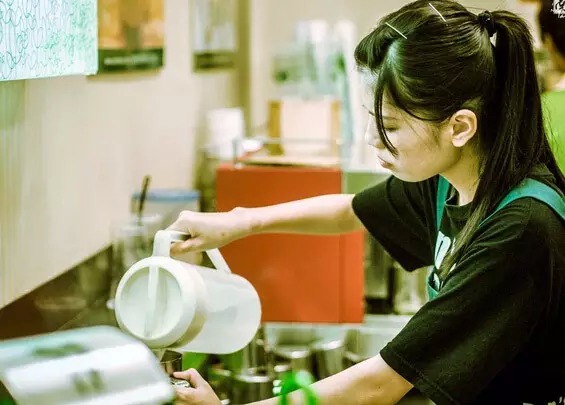
VOA reports on coffee in China The status of coffee practitioners in China
Chris, one of the owners of the "first coffee" yesterday, said: The reason why the average status of Chinese coffee practitioners is low, the salary is low, and the quality is low is caused by the wrong ideas of the country. Coffee shops are not profitable. How can baristas earn high salaries? It's not like coffee shops in Australia selling thousands of cups a day! Of course the barista there makes a lot of money.
2016-07-28 VOA China Coffee Reporting Practitioner Society Status
China will become the second largest market of Starbucks by the end of 2014
Starbucks announced in Beijing on June 5 that it expects China to become its largest market outside the United States by the end of 2014 and hopes to operate 1500 stores in China by 2015.
2014-06-09 Coffee News Starbucks Chinese Coffee Market
On the Coffee Culture in China
In terms of natural conditions, many parts of China are very close to Latin America, South America, India, Indonesia and other places, with congenital conditions for coffee cultivation, but Chinese people have been drinking tea for thousands of years. As the origin of tea in the world, there is more or less neglect or contempt for coffee as a foreign drink in consumption habits and concepts.
2014-08-06 About China coffee culture natural conditions China many regions Latin America
How dependent are Starbucks and KFC on China?
Ambitious starbucks is expanding in china, but customers who don't stick around are a big obstacle to its expansion there, a report said wednesday. Customers love the stores so much that they sit for hour after hour and sometimes don't even buy a cup of coffee. In fact, despite their phenomenal expansion in China, these multinationals still account for only a fraction of their global sales in China.
2014-04-27 Buck KFC in the end how much dependence China Wednesday report has ambition
Starbucks benefits from the rapid growth of China's coffee market
SBUX-US, the world's largest coffee chain, reported on Friday that revenue in the Asia-Pacific region jumped nearly 30 per cent, the highest since the same period last year. "CNNMoney" reported that Starbucks reported bright financial results, of which the biggest cash cow was China. RJHottovy, consumer stock analyst at Morningstar Fund, pointed out that Starbucks sold
2014-04-27 China Coffee Market growth Buck benefit Global largest chain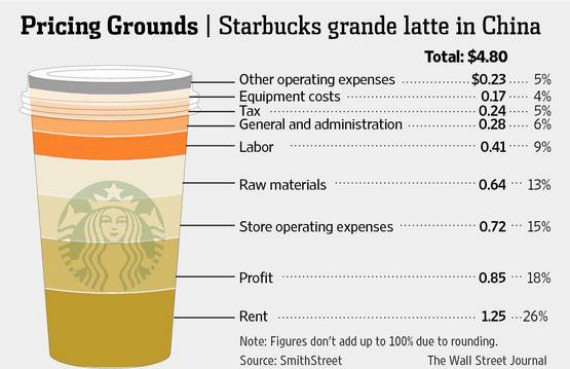
What is the price of Starbucks in China?
[Starbucks: high price because guests stay for hours] Calver, president of Starbucks China and Asia Pacific, explained that Starbucks China Cafe is much larger than the United States, because most Chinese customers like to stay in the store for a few hours, while 80% of American customers leave as soon as they get the coffee. Imagine if one day you walked into Starbucks and found a large cup.
2015-08-10 China Buck where is it?
Why can Starbucks succeed in China?
The article on the Chinese website of the United States on February 12, the original question: why can Starbucks succeed in China? Ryan, a reporter for NBC Financial Channel, said that 14 years ago he met an entrepreneur who wanted to open a cafe in China. He believes that Chinese people will not replace their tea drinking culture with expensive drinks. But Starbucks' success in China has proved itself wrong. Starbucks execution
2016-09-18 Buck why can he succeed in China?
How dependent is Starbucks on China?
In fact, although these multinationals are expanding at an alarming rate in China, China is still a relatively small market in terms of their sales in China as a share of their total global sales, which depends on whether customers stay in stores for too long. Maybe it doesn't have much to do with it.
2014-07-16 Coffee News Starbucks Chinese Market